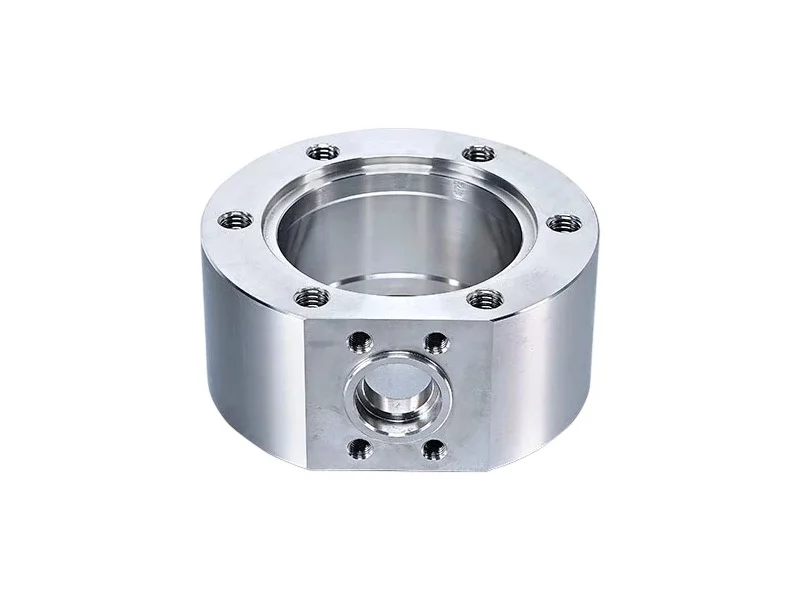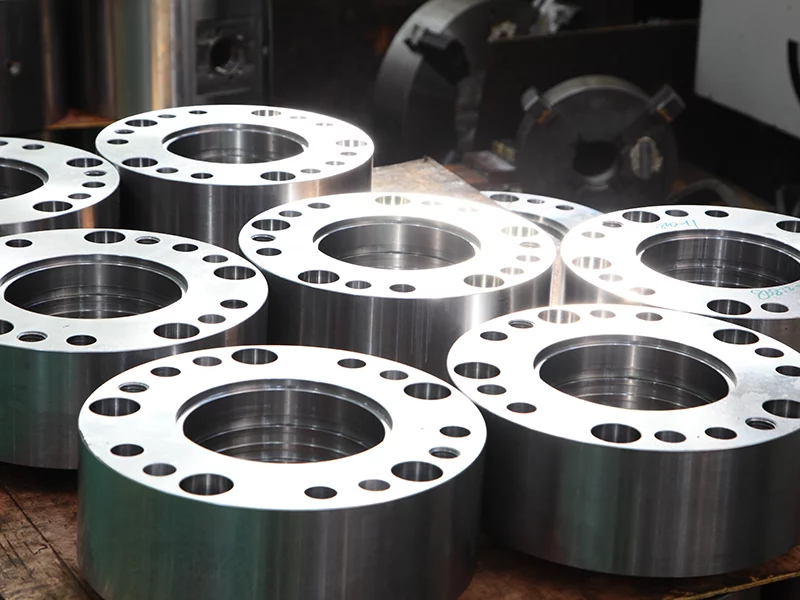
The valve body serves as the outer shell of a valve, housing all internal components and facilitating the control of fluid flow. It must possess sufficient strength to withstand system pressure and adapt to various operating conditions. Consequently, the quality of the valve body is of paramount importance for the overall performance and effectiveness of the valve.
The material used to manufacture the valve body is the key to its quality. Common materials include stainless steel, cast iron, carbon steel, and special alloys. We will examine these four categories below.
Common Valve Body Materials
Stainless Steel
Stainless steel (grades 304 and 316) is the preferred choice for applications in the food and pharmaceutical industries, chemical processing, and seawater treatment. Grade 304 stainless steel offers resistance to common acids and bases, as well as media with low chloride ion concentrations, making it suitable for food processing and potable water systems. Grade 316L (low-carbon) stainless steel provides three times the resistance to chloride-induced corrosion, making it ideal for seawater transport, saline wastewater treatment, and highly corrosive chemical environments; it can also withstand temperatures up to 450°C.
It should be noted that stainless steel valve bodies cost two to three times more than carbon steel versions; therefore, selecting them for standard, non-demanding applications is unnecessary.
Cast Iron
Cast iron valve bodies are frequently used in civil water supply and drainage systems, as well as standard low-pressure HVAC (heating, ventilation, and air conditioning) systems. They cost only one-third to one-half as much as cast steel and offer excellent resistance to mild corrosion at ambient temperatures. Gray cast iron is suitable for neutral media at pressures below 1.6 MPa and temperatures not exceeding 80°C. Ductile (nodular) cast iron offers 40% greater strength and impact resistance than gray cast iron, making it suitable for medium-high pressure piping networks and water transport applications at low temperatures (down to -20°C).
It is important to note that these materials are vulnerable to strong acids and bases and should not be used in high-temperature steam pipelines, as this can lead to material embrittlement and cracking.
Carbon Steel
WCB cast steel is currently the most widely used valve body material in industrial settings. It supports a temperature range of -29°C to 425°C and pressure ratings up to 10 MPa. Suitable for everything from ambient-temperature water to high-temperature steam, oils, and neutral gases, it serves as the standard material for general-purpose valves in the petrochemical, power generation, and metallurgical industries. For low-temperature applications, LCB (low-carbon cast steel) can be used, capable of withstanding temperatures as low as -46°C.
Its only drawback is moderate corrosion resistance; when exposed to acids, alkalis, or saline media, an internal plastic lining is required.
Special Alloys
For extreme environments—characterized by ultra-high temperatures, severe corrosion, or high abrasion—specialized alloy materials are available. For instance, molybdenum-chromium alloy steel can withstand flue gases exceeding 600°C, making it ideal for desulfurization and denitrification systems in power plants. Hastelloy offers resistance to highly acidic and alkaline mixtures, often used in fine chemical production. Ceramic-lined valve bodies provide over ten times the wear resistance of standard steel, making them the preferred choice for pipelines transporting slurries or dust-laden media.
How to Select the Right Valve Material
First, consider the properties of the medium: is it neutral, corrosive, or does it contain solid particles? For corrosive media, prioritize materials with appropriate corrosion resistance; for media containing particles, opt for wear-resistant materials.
Second, evaluate the operating parameters. Ensure that the temperature and pressure fall within the material’s specified limits; exceeding these limits—even by as little as 10%—can significantly shorten the service life of the valve body.
Third, assess your budget. For standard operating conditions, cast iron or carbon steel are the preferred choices. Reserve stainless steel or specialized alloys for unique, demanding applications. Whenever possible, use a lined valve body rather than one made entirely of an expensive alloy to achieve significant cost savings.
The valve body material is a critical factor in determining the equipment’s service life. Each material offers unique advantages, allowing valves to be deployed across a diverse range of operating conditions. If you are looking for high-quality valve bodies, please feel free to contact us.